Common Herbs Used by Enslaved Black Americans: A Legacy of Survival and Healing
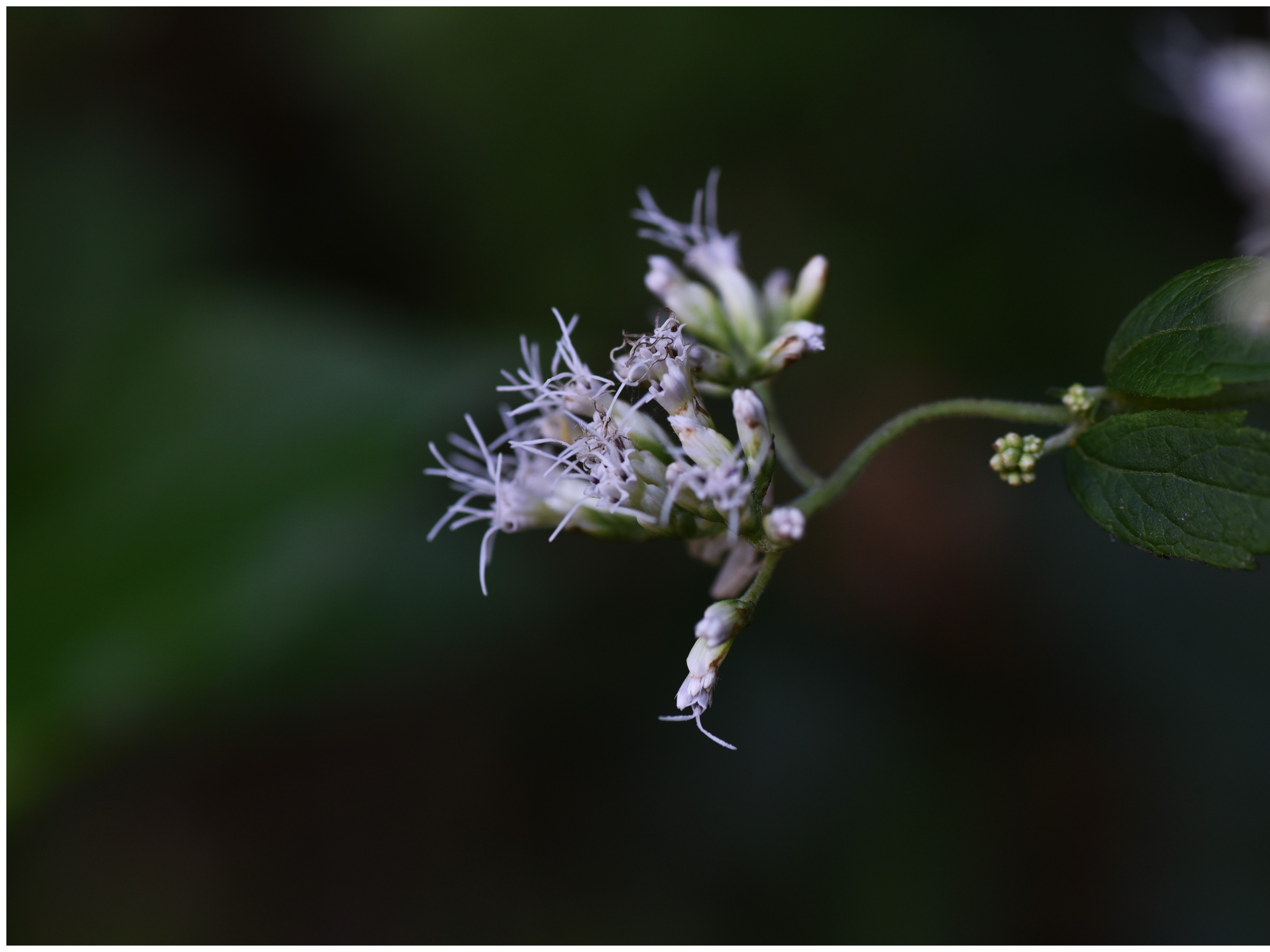
The story of herbal medicine in America cannot be told without honoring the foundational knowledge carried and preserved by enslaved Africans. Forced into bondage yet determined to survive, enslaved people brought with them ancestral wisdom of plant medicine. They adapted this knowledge to their new environments using plants native to the Americas as well as those introduced through the transatlantic slave trade.
This blog post highlights several common herbs that were used for physical, spiritual, and emotional healing by enslaved Africans in America. These plants became central to Black folk medicine traditions that live on today.
1. Yarrow (Achillea millefolium)
Yarrow is a native herb that was used by both Indigenous peoples and enslaved Africans. It was commonly applied for wound care due to its ability to staunch bleeding and promote tissue repair. Enslaved herbalists often made poultices of yarrow to treat cuts, abrasions, and ulcers.
Reference: Ferguson, Leni Sorensen. “Black Herbalism.” Monticello.org, 2020.
Reference: Kiple, Kenneth F. and Virginia H. King. Another Dimension to the Black Diaspora: Diet, Disease and Racism. Cambridge University Press, 1981.
2. Boneset (Eupatorium perfoliatum)
Boneset was widely used for fevers, especially during malaria outbreaks on Southern plantations. Enslaved healers brewed it into a bitter tea that helped reduce fevers and supported the immune system.
Reference: Tillotson, Alan, et al. The One Earth Herbal Sourcebook. Kensington Publishing, 2001.
Reference: Logan, Rayford W. The Negro in American Life and Thought: The Nadir, 1877–1901. Dial Press, 1954.
3. Sassafras (Sassafras albidum)
Sassafras was a powerful multipurpose plant in the herbal toolkit of enslaved Africans. Its root bark was used to make tonics for blood purification and spring cleanses. It was also used in spiritual practices and rootwork for protection and cleansing.
Reference: Gibson, William. African American Folk Healing. NYU Press, 2006.
Reference: Mitchell, Claudia. “Sassafras and Spiritual Health.” The Rooted Herbalist Journal, Vol. 2, 2021.
4. Garlic (Allium sativum)
Garlic was a highly prized remedy for infections, digestive complaints, and even for warding off evil. It was used both medicinally and spiritually. Enslaved people chewed raw garlic for colds and placed it in sachets to protect the home from harmful energies.
Reference: Veal, William D. “Hoodoo Herb and Root Medicine.” In Working the Roots, by Michele E. Lee, North Atlantic Books, 2020.
Reference: LeGrand, Harry. “Folk Beliefs and Practices in the Southern United States.” Southern Folklore Quarterly, 1949.
5. Mullein (Verbascum thapsus)
Mullein was used extensively to address respiratory ailments. Enslaved Africans crafted mullein teas and smoke blends to relieve bronchial congestion, asthma, and coughs. The plant’s large, fuzzy leaves were also used as poultices for inflammation.
Reference: Lee, Michele E. Working the Roots: Over 400 Years of Traditional African American Healing. North Atlantic Books, 2020.
6. Peppermint (Mentha piperita)
Used for both culinary and medicinal purposes, peppermint was a go to herb for digestive relief, colds, and headaches. Enslaved women often grew mint near cabins and used it in infusions and liniments.
Reference: Covey, Herbert C. African American Slave Medicine: Herbal and Non-Herbal Treatments. Lexington Books, 2007.
7. Wormwood (Artemisia absinthium)
This bitter herb was employed to treat intestinal parasites and digestive disorders. It was commonly infused as a tea and sometimes used externally as a wash for wounds. Wormwood also held significance in spiritual cleansing.
Reference: Hall, Gwendolyn Midlo. Africans in Colonial Louisiana: The Development of Afro Creole Culture in the Eighteenth Century. LSU Press, 1995.
8. Comfrey (Symphytum officinale)
Comfrey, often called “knitbone,” was used by enslaved herbalists to aid in healing broken bones, bruises, and sprains. Its mucilaginous roots and leaves were made into poultices to reduce swelling and support healing.
Reference: Lee, Michele E. Working the Roots, 2020.
The Legacy Lives On
Despite the violence and dehumanization of slavery, the knowledge of plant medicine endured. Enslaved Africans became herbalists, midwives, and root workers who not only healed others but also preserved cultural memory through their medicine. Their botanical literacy was an act of resistance and cultural continuity.
This legacy continues in the practice of Black herbalists today, who reclaim and honor ancestral knowledge while addressing the health disparities that disproportionately affect our communities.
Sources
Lee, Michele E. Working the Roots: Over 400 Years of Traditional African American Healing. North Atlantic Books, 2020.
Covey, Herbert C. African American Slave Medicine: Herbal and Non-Herbal Treatments. Lexington Books, 2007.
Ferguson, Leni Sorensen. “Black Herbalism.” Monticello.org, 2020.
Gibson, William. African American Folk Healing. NYU Press, 2006.
Kiple, Kenneth F. and Virginia H. King. Another Dimension to the Black Diaspora. Cambridge University Press, 1981.